
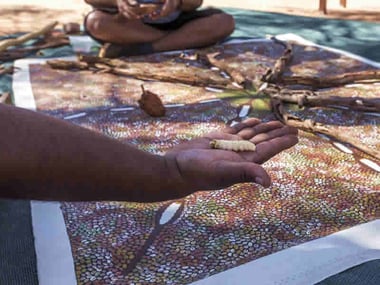
Exploring Australia’s Aboriginal culture
Some great ways to learn about the Aboriginal people, their history, art, traditions and more, is to put some of these options on your itinerary as you travel through Down Under.
Read more

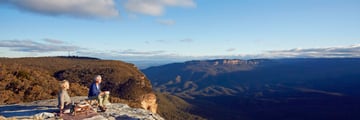
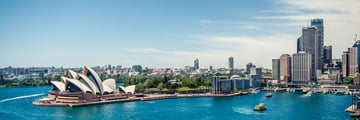
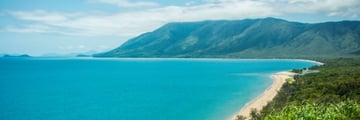
Journeying to Australia is a traveller’s dream, offering the ultimate road trip and outdoor adventure. With so much diversity, from beach and city to outback and rainforest, it’s hard to know where to start. We suggest beginning with our plethora of travel guides, customer stories and inspiring videos, there to help you start creating your perfect tailor-made holiday. Either dive straight in with our newest guides below, or filter your preferences to find a guide to suit your needs. But don’t forget – our Australia experts are on hand to take your call.
Some great ways to learn about the Aboriginal people, their history, art, traditions and more, is to put some of these options on your itinerary as you travel through Down Under.
Read more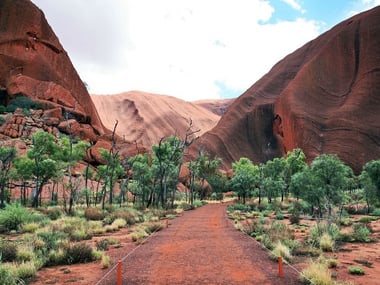
With such a vast country, it can be hard to plan an intinerary to experience Australia’s highlights. A guided tour is generally the best way to get the most out of a trip, so here are two-, three- and four-week options for you.
Read more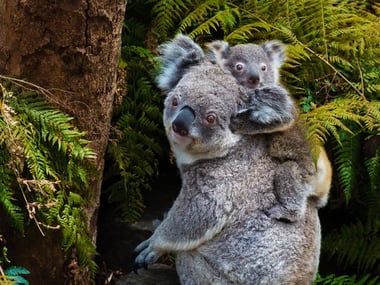
Australia's a huge country with extraordinary landscapes, intriguing wildlife and exciting cities, offering the ultimate adventure for travellers. Read more to help you plan the perfect holiday.
Read more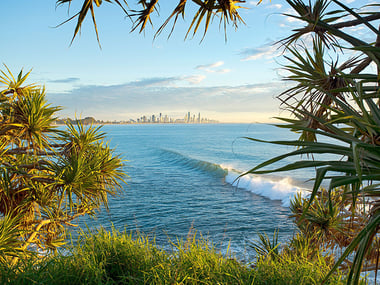
Top 10 Things to Do in Queensland - Our Guide to the Sunshine State
Read more
We've picked 15 of the best island playgrounds accessible from the mainland, featuring white-sand beaches, crystalline swimming waters, historic and cultural attractions, and soul-stirring landscapes.
Read more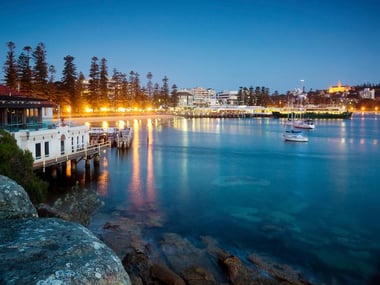
As Australia’s largest city, Sydney's a cultural hub filled with iconic landmarks, history and nightlife. Try one of these day trips to see State treasures, from vineyards to national parks, highlands and beaches.
Read more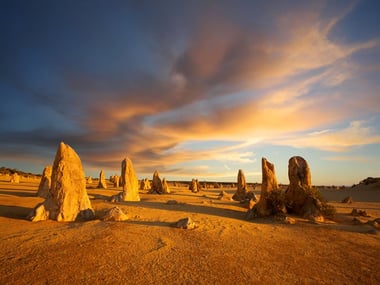
While many visitors to the Land Down Under instantly think of places like Sydney or the Great Barrier Reef, Western Australia offers some incredibly diverse regions without the crowds. This suggested self-drive from Perth to Darwin will bring you to many of the area’s highlights.
Read more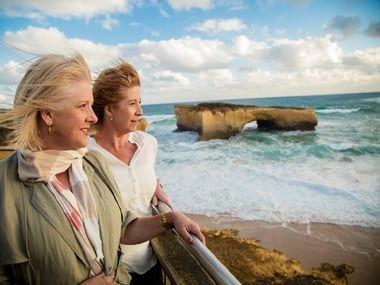
Victoria’s lively capital Melbourne's the perfect base for exploring the Great Ocean Road, rugged Yarra Ranges and south-coast beaches. Plus wine tasting, national park hikes and island escapes.
Read more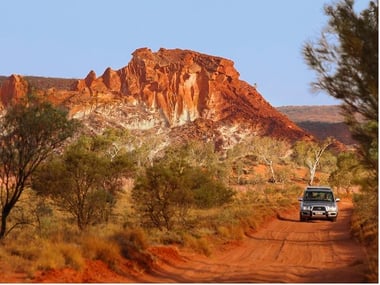
Australia is the sixth largest country in the world, therefore there is a lot to consider when planning a holiday here. To help you we have put together an introduction of important information to consider first.
Read more
Sign up to our newsletter
Be the first to know about our exclusive offers and holiday inspiration by email.