
Untamed Kimberley
Darwin
10 nights
From
£6,229
pp

Author: Chris Hawkins, Programme Director
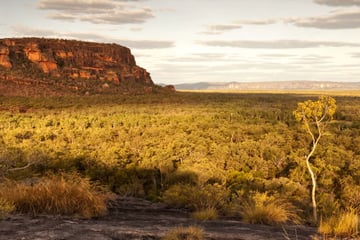
Of all the regions we send clients to in Australia, Kakadu National Park, east of Darwin in the Northern Territory, is the one I find hardest to do justice to in a brochure. It's Australia's largest national park, sprawling across roughly 20,000 square kilometres of floodplain, wetland, escarpment and rocky ridge, and every time I talk to clients who've just come back from there, it's the scale that stays with them – waterfalls dropping from dizzying escarpments, and rock art on cliff faces that's been there for up to 20,000 years, painted by generations of the region's traditional custodians long before most of what we'd call recorded history began.

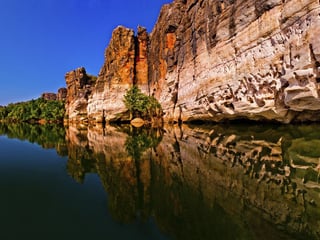
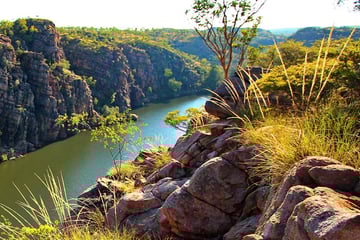
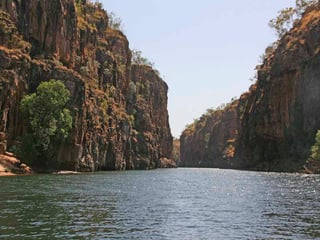
Katherine, meanwhile, is one of the Northern Territory's larger towns and the natural gateway into Nitmiluk National Park, home to the Katherine River and its spectacular gorge system – actually thirteen connected gorges, not one, carved through ancient sandstone. A kayak on the Katherine River is about as peaceful as travel gets, and there are hiking trails here for those who want to explore on foot. If you'd rather see it from above, a scenic helicopter flight over the gorge is one of those experiences that genuinely catches your breath – I've had clients tell me it's the single best few minutes of their entire Australia trip.
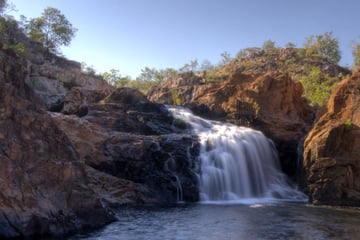
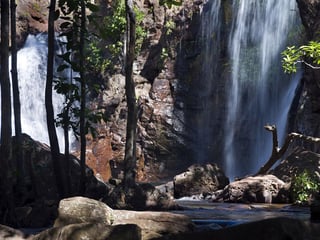
Litchfield National Park is the one the locals in Darwin quietly keep to themselves. It's only around a 90-minute drive south of the city, which makes it a very manageable day trip, though my honest advice is to stay overnight if you can – you'll want more than a few rushed hours here. Between the naturally crystal-clear plunge pools and the waterfalls tumbling off the Tabletop Range, it's the kind of place where a "quick look" turns into an entire afternoon.

Here are five of the experiences I'd genuinely put at the top of any Kakadu & Katherine itinerary.
#1
These are one of the more curious sights you'll come across anywhere in Australia. Built by magnetic termites, the mounds are constructed on a precise north-south axis, engineered by the insects to minimise direct sun exposure and regulate internal temperature – some of the larger ones tower over two metres high. It sounds like a minor curiosity until you're standing in a field of them; it's a genuinely striking bit of natural architecture.

#2
Nitmiluk's thirteen interconnected gorges are impressive enough from a boat, but seeing them from a helicopter gives you a completely different sense of scale – the Katherine River cutting through ancient sandstone country as far as you can see. Several tours include the option to land at a remote pool for a swim that's entirely your own. If you've got the budget for one splurge on this trip, I'd make it this one.

#3
After the heat and adrenaline of Katherine Gorge, the naturally warm, crystal-clear waters of Mataranka Thermal Pool are the perfect way to unwind – shaded by palms and genuinely one of the more relaxing stops on this whole itinerary. It's an easy add-on if you're travelling the Stuart Highway between Katherine and further south.

#4
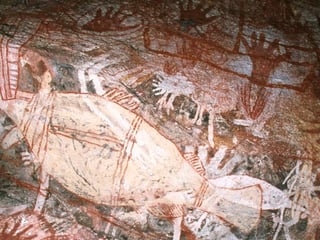
Kakadu's two headline rock art sites, Ubirr and Nourlangie, offer some of the most accessible and significant Aboriginal rock art anywhere in Australia. At Nourlangie you can take a guided walk to see depictions of the Lightning Man creation ancestor, while Ubirr's gallery includes imagery layered across thousands of years of continuous use. Going with a guide – Aboriginal-led where possible – makes a genuine difference here; the context they add turns a striking image into a proper story.

#5
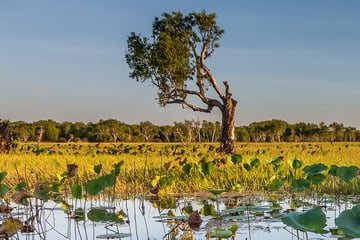
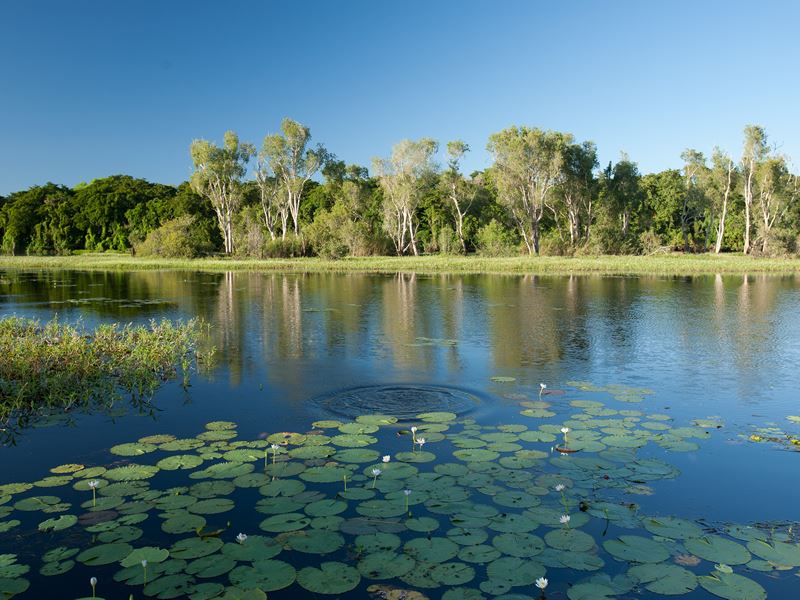
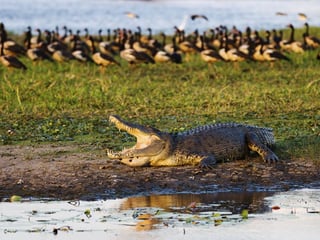
A boat cruise along Yellow Water is one of the best wildlife-watching experiences in the park – expect saltwater crocodiles basking along the banks and an extraordinary variety of birdlife drifting past as you glide through. Early morning or late afternoon cruises tend to bring the most activity, so it's worth timing this one carefully if wildlife spotting is your priority.

How many days do you need for Kakadu and Katherine?
We'd recommend a minimum of four to five days to cover Kakadu, Katherine Gorge and Litchfield properly without feeling rushed. Our escorted and self-drive itineraries in this region typically run four to six days, which is enough time to fit in the rock art sites, a Yellow Water cruise, and Katherine Gorge without racing between them.
What's the best time of year to visit Kakadu and Katherine?
The dry season, roughly May to October, is the most popular and accessible time to visit, with reliable road access and comfortable daytime temperatures. During the wet season (November to April), some roads and walking tracks close, though the waterfalls and landscape are at their most dramatic – worth discussing with our specialists if you're set on visiting during this window.
Is Litchfield National Park worth visiting if I've already been to Kakadu?
Absolutely – they're quite different experiences. Kakadu is about scale, ancient rock art and wetland wildlife, while Litchfield is more about swimming in beautiful, accessible plunge pools and waterfalls close to Darwin. Many of our clients rate Litchfield as a genuine highlight in its own right, not just an add-on.
Can you swim in Kakadu National Park?
Not generally, due to the presence of saltwater crocodiles in most of its waterways, including Yellow Water. Litchfield National Park and Mataranka Thermal Pool are the safer, crocodile-free swimming spots in this region, and we'd always recommend sticking to signed, designated swimming areas.
Do I need a guide to see the Aboriginal rock art at Ubirr and Nourlangie?
You can visit both sites independently via self-guided walking trails with informative signage. That said, we'd always recommend a guided tour, ideally with an Aboriginal guide, for a much deeper understanding of the art's meaning and history – it's the difference between seeing an image and understanding the story behind it.


Sign up to our newsletter
Be the first to know about our exclusive offers and holiday inspiration by email.